




Schutt Log Homes
& Mill Works
Why Choose Hybrid Timber Frame
If you're planning a new home build—especially one with character—you're likely weighing timber framing against the more
common traditional (stick) framing. Both have their strengths, but understanding how they differ can help you choose the right
path for your dreams and your budget.
Why You Might Fall in Love with Timber
Framing
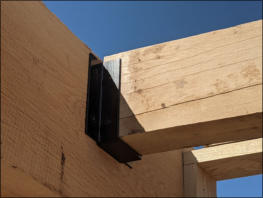
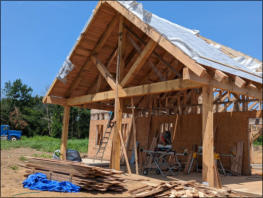
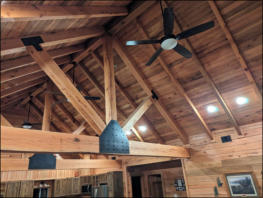
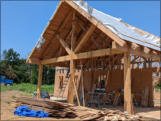
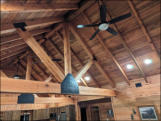
Timber framing is all about big, beautiful beams—8″×8″ or even larger—joined together with precision craftsmanship.
Beyond its wow factor, there’s real structural power behind those timbers. Heavy beams resist wind uplift and seismic
forces better than conventional nails and 2×4’s .
Another big win?
Longevity and durability
. Timber-frame buildings that have stood for hundreds of years aren’t
myths,they are proof that this method lasts. When protected properly, timber doesn’t just endure—it thrives .
The Trade-Offs — And A Sweet Spot
Higher upfront cost: Timber framing is an investment. Lumber and skilled labor (especially for timber joinery) cost more.
But what you sacrifice in dollars upfront, you gain in character, strength, and longevity .
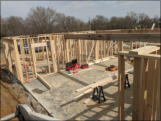
Complex joinery: True timber framing often uses mortise-and-tenon joints, requiring either expert craftsmen or
prefabrication. But that handcrafted beauty is exactly what stands the test of time .
Meanwhile, stick framing is fast and flexible, with well-understood systems—but it lacks the sheer presence and durability
of thick timbers .
Hybrid to the Rescue
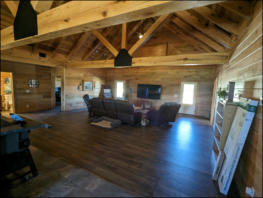
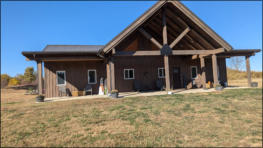
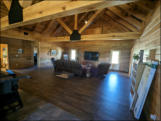
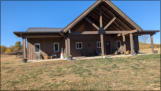
Want the best of both? Hybrid homes—like Schutt’s oak hybrid kits—meld timber frames in common areas
(like living rooms or porches) with stick framing elsewhere. That adds striking visual appeal where you want it most,
without overextending your budget .
So, Which Should You Choose?
Think of it like this:
•
Timber framing is for those seeking timeless beauty, solid structural performance, and long-term value.
•
Stick framing fits well if you're focused on cost, speed, and flexibility.
•
A hybrid gives you character and value where it matters most, while keeping things practical.
Deciding between these framing types comes down to your priorities: Do you crave oak beams and lasting craftsmanship?
Or are upfront cost and ease of build more your style? Either way, knowing their trade-offs ensures you choose a
build method that fits both your vision and your sanity.
________________________________________
If you're curious about how timber or hybrid framing could fit on your site—or want help mapping out the
budget and benefits—I'd love to help you explore the options!
Why Traditional (Stick) Framing Still Has Its Place
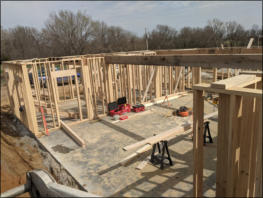
Stick framing uses standard lumber—like 2×4s and 2×6s—and drywall or siding. It’s widely understood, faster to
build, and generally cheaper. For straightforward homes, it’s a proven method with lots of flexibility .
Because materials are readily available and construction crews are highly experienced, stick framing is often less
expensive upfront—15–20% less, in many cases . Plus, it’s straightforward to modify or expand later without needing
special joinery.